People
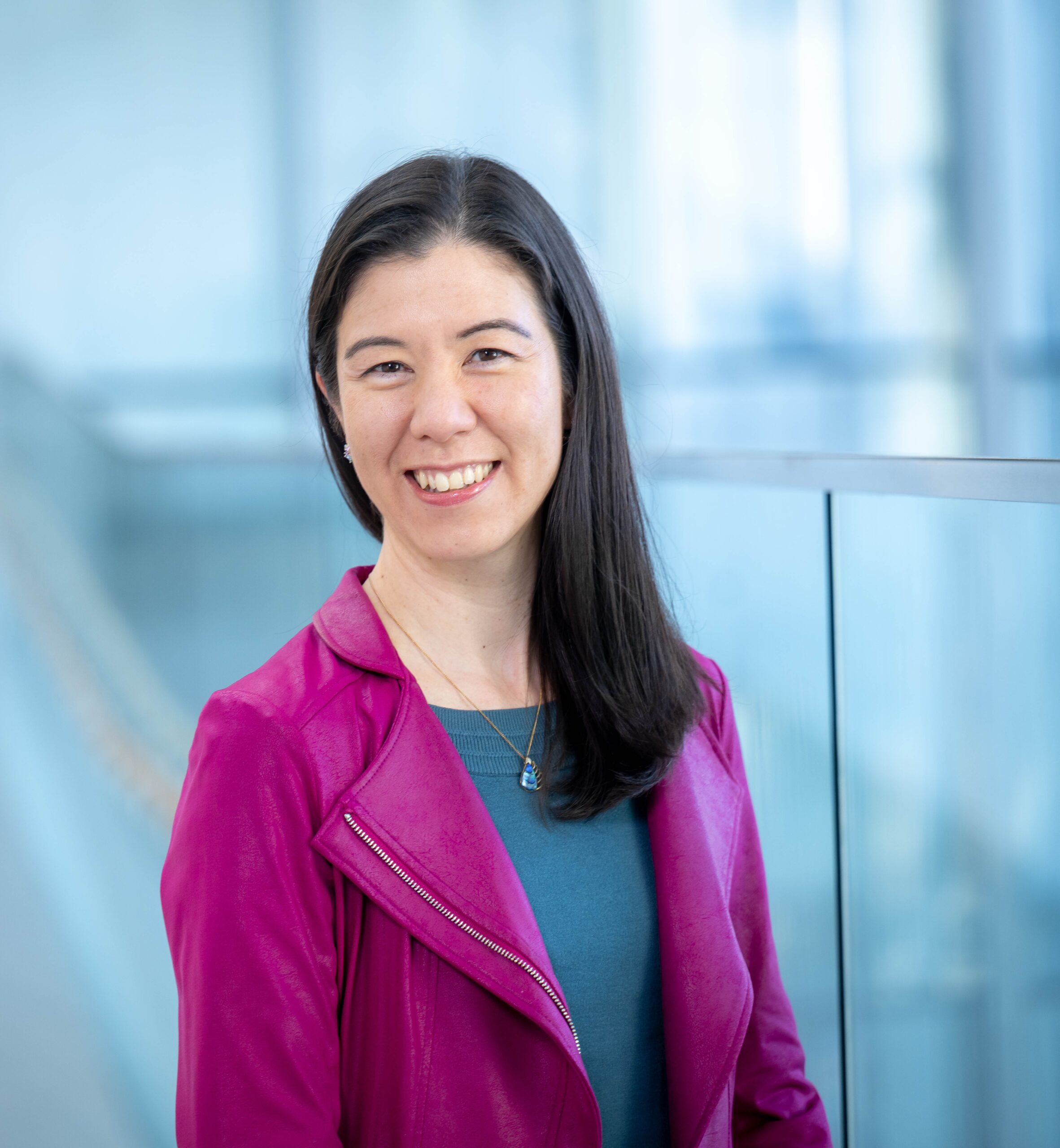
Stefanie Blain-Moraes, Ph.D., P.Eng
Associate Professor, School of Biomedical Engineering, Department of Occupational Sciences and Occupational Therapy, University of British Columbia
Stefanie Blain-Moraes is a biomedical engineer and the former Canada Research Chair (Tier II) in Consciousness and Personhood Technologies. In addition to her multidisciplinary background in biomedical engineering (Ph.D., University of Toronto, Canada) and rehabilitation sciences (University of Michigan), her research interests have been fostered by postdoctoral fellowships in anesthesiology and neuroscience (University of Michigan). Stefanie also has an ARCT in Piano Performance from the Royal Conservatory of Music.
Stefanie leads the BIAPT lab, and her research has involved persons in disorders of consciousness and palliative care; adults with dementia, Parkinson’s disease and amyotrophic lateral sclerosis; and children with autism and severe and multiple disabilities. Her work has been recognized by numerous awards, including the Principal’s Prize for Outstanding Emerging Researcher and membership in the College of New Scholars, Artists and Scientists in the Royal Society of Canada, and has been featured in National Geographic, STAT news, the New Scientist and CTV National News.
Stefanie is also a dedicated teacher and mentor. Her students have received national and international recognition for their research and contributions to academia. The excellence of her teaching and training was recognized with the 2020 Faculty of Medicine Teaching Innovation Award from McGill University and by the 2023 Carrie M. Derrick Award for Graduate Teaching and Supervision.
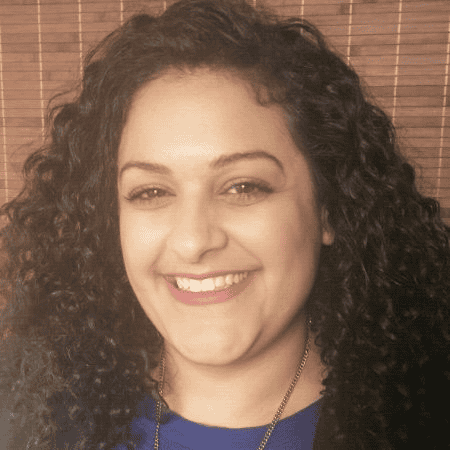
Jackie Girgis
Ph.D. Candidate
CareFor the last 10+ years, Jackie has worked in the healthcare industry as a registered nurse (in the hospital) and a project manager (in both the hospital and in industry). Jackie is returning to graduate school to learn how to apply machine learning to the healthcare issues she has been working on patients with both directly and indirectly. In the lab, she will be focusing on the bio-music project and specifically how machine learning can be used to automate classification of emotions for non-communicative children to improve their quality of life, as well as that of their caregivers.
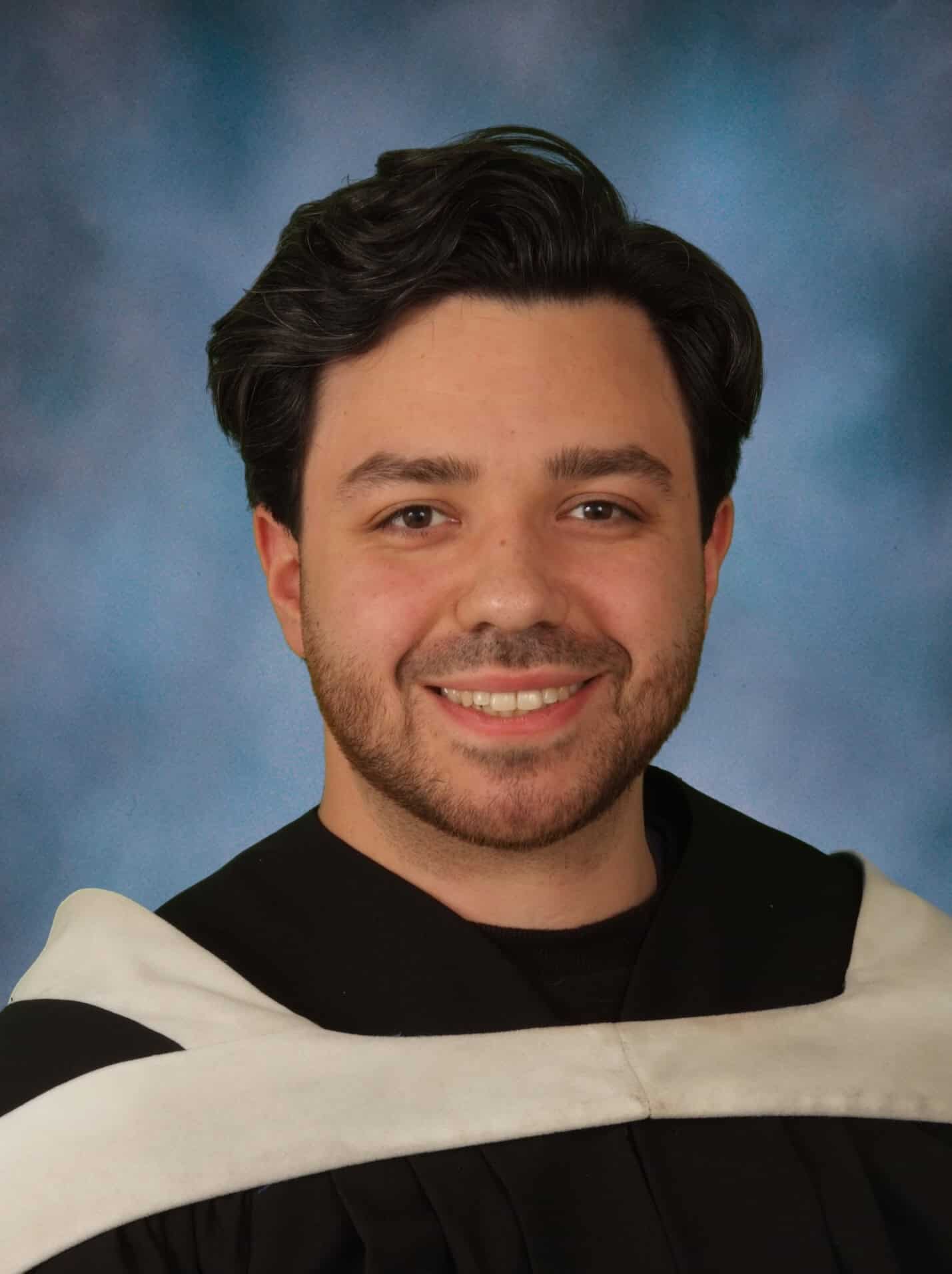
Derek Newman
PhD candidate
Derek earned his Bachelor’s degree in Behavioural Neuroscience from Concordia University in 2023, where he focused on multimodal neuroimaging techniques to investigate the functional dynamics of the brain. Derek’s research interests include computational and cognitive neuroscience, machine learning, consciousness studies, and the philosophy of mind. For his Master’s project, Derek will explore fractal properties and critical dynamics of brain networks to develop a diagnostic and prognostic tool for unresponsive patients in coma and individuals with disorders of consciousness. This research will leverage high-density EEG technology to study the dynamics of general anesthesia and disorders of consciousness to understand brain function and improve patient care in critical medical contexts.
Harjeev Sudan
PhD candidate
Harjeev completed her Bachelor of Science in Behavioural Neuroscience at the University of British Columbia (UBC). She is co-supervised in her PhD in Neuroscience (fast-track) by Dr. Stefanie Blain-Moraes and Dr. Donald Griesdale. Harjeev’s research interests include brain health, health systems delivery, health policy, justice, and applied ethics. Harjeev’s current research is situated at the intersection of severe brain injury, substance use and toxicity, and healthcare equity and ethics. Specifically, her PhD research uses quantitative and qualitative methods to examine ethics in neuroprognostication for patients with drug-associated cardiac arrest. Through this work, she aims to develop an ethics-oriented framework to support critical care decision-making.
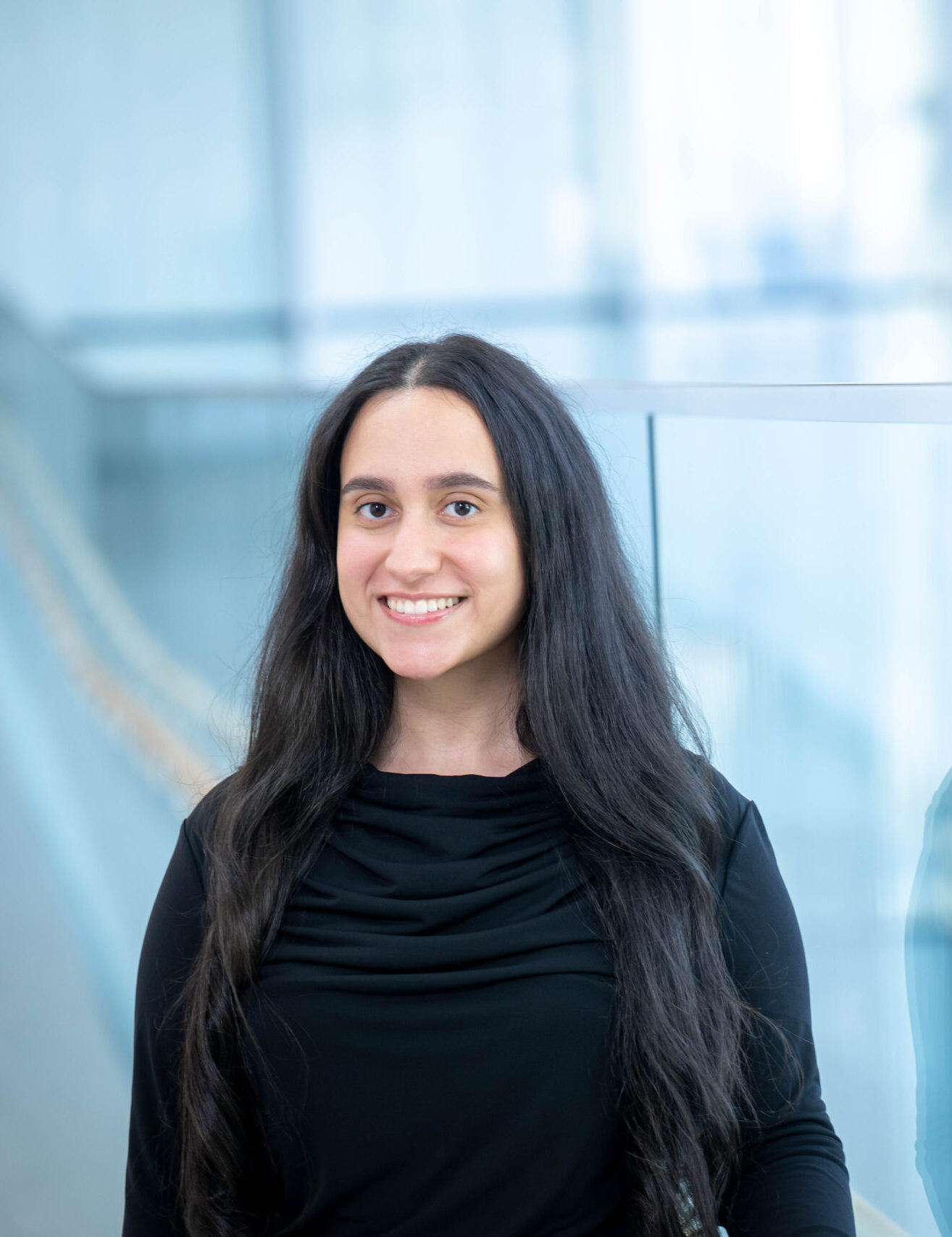
Genavieve Maloney
M.A.Sc Candidate
Genavieve graduated from McGill University with a Bachelor of Arts and Science in Honours Cognitive Science. Her undergraduate research examined circadian rhythms of the cerebellum in a mouse model of ataxia. She continued research in molecular neuroscience, investigating how a genetic mutation associated with schizophrenia alters the structural organization and behavioural output of the suprachiasmatic nucleus, the master regulator of the circadian system. In the BIAPT lab, Genavieve is pursuing a Master of Applied Science in Biomedical Engineering, where she investigates brain-heart interactions as a means of uncovering residual interoception in individuals who have sustained a severe brain injury. She hopes that evidence of preserved interoception can serve as a window into an individual’s capacity for recovery in disorders of consciousness.
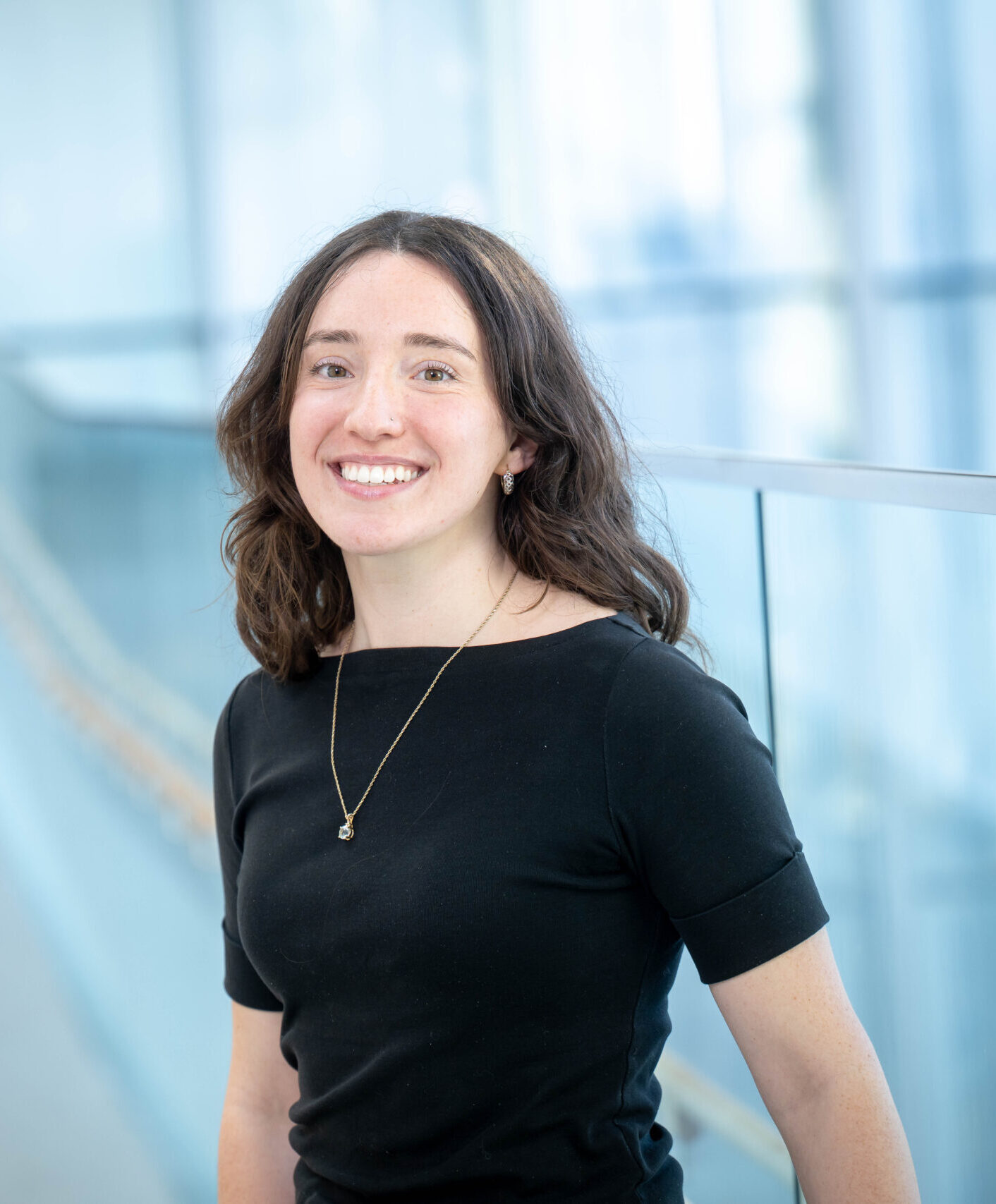
Paige Whitehead
M.Sc. candidate
Paige Whitehead is a Master’s student in Rehabilitation Science in the School of Physical and Occupational Therapy at McGill University. Before entering academia, she trained professionally as a dancer at Arts Umbrella’s School of Dance. She earned her Bachelor’s degree in Cognitive Systems from the University of British Columbia, where her research used dance improvisation as a way to explore the relationship between measures of interpersonal movement coordination and the subjective experience of those interacting. Through this research, she became interested in how dance can support the relational and agential capacities of minimally communicative individuals. Her Master’s project aims to capture evidence of an embodied memory effect in persons living with advanced dementia as they participate in Mouvement de Passage, a dance-based practice focused on fostering connection.
Lab alumni
| Name | Title of Thesis |
| Alexander Rokos, M.Sc. 2016-2018 |
Detecting and assessing consciousness in behaviourally unresponsive populations: combing event-related and continuous electroencephalography analysis techniques |
| Florian Grond, postdoctoral fellow 2017-2019 |
|
| Rossio Motta Ochoa, a postdoctoral fellow 2018-2021 |
|
| Danielle Nadin, M.Sc. 2018-2021 | Brain network correlates of recovery of consciousness and non-invasive brain stimulation |
| Dannie Fu, M.Sc. 2019-2021 | Applications and development of biomusic: A novel affective technology |
| Catherine Duclos, postdoctoral fellow 2018-2022 | |
| Elizabeth Teel, postdoctoral fellow 2020-2022 | |
| Allison Frantz, M.Sc. 2019-2021 | Tracking trajectories of cognitive recovery in coma survivors using a validated battery of neurophysiological tests |
| Charlotte Maschke, PhD 2019-2024 | Quantifying consciousness in unresponsive patients through electroencephalography and perturbation |
| Kira Dolhan, MSc. 2022-2024 | Investigating the prognostic and diagnostic value of anesthesia-induced changes in functional brain networks topologies for patients with coma and disorders of consciousness |
| Tianyu Zhang, MD, Neurology resident, 2023-2024 | Neurological prognosis of brain injured patients in the ICU using clinical and advanced EEG techniques |
| Naila Kuhlmann, PhD, postdoctoral fellow, 2020-2025 | |
| Beatrice Pelletier-de Koninck | Étude des effets de la modulation des ondes cérébrales par stimulation transcrânienne à courant alternatif (tACS) sur le pronostic des patients avec état de conscience altéré conséquemment à une/des lésion(s) cérébrale(s). |
| Antara Banerji, PhD, MD, visiting PhD student, 2024 | |
| Naomi Askenazi, MSc, 2023-2025 | Une Nouvelle Écoute: Bringing Biomusic to Le Phare |